How data centers fit the internet
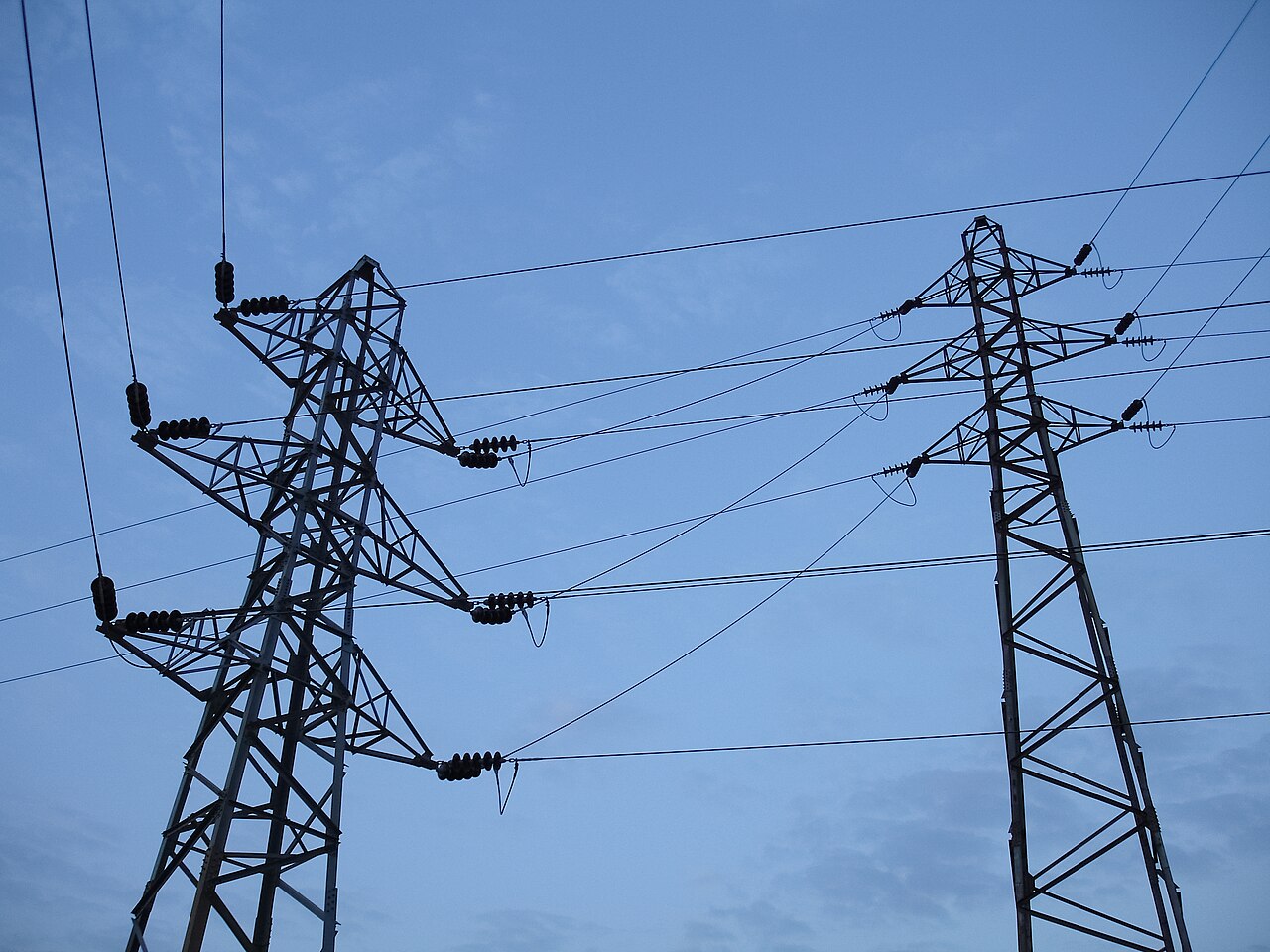
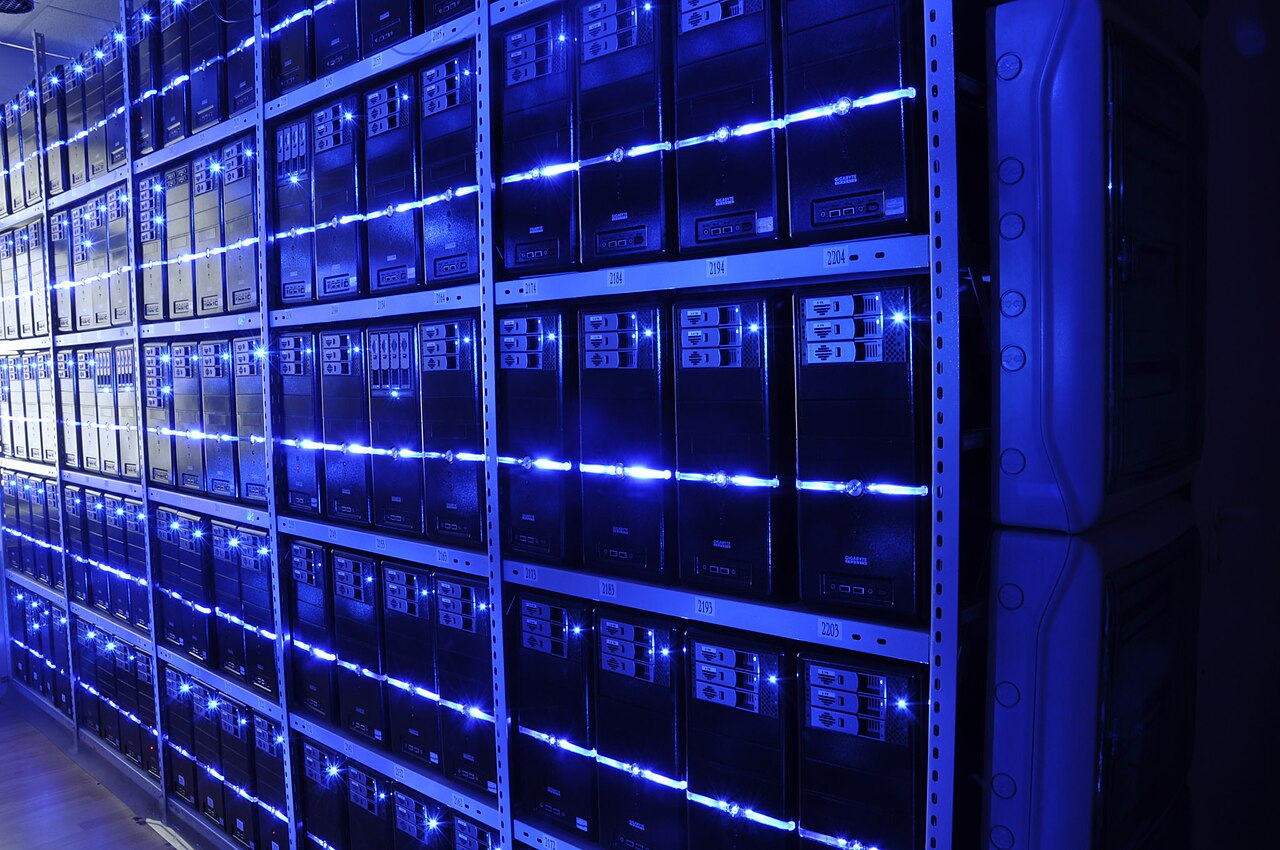
Online services rely on physical buildings, electricity, cooling, and network links. Their footprint is part of the story behind digital growth.
What this looks like
A data center may promise local jobs while also requiring significant utility upgrades. Comparing both claims requires the same time horizon and a clear definition of direct and indirect effects.
The wider picture
The footprint of a data center cannot be captured by a single headline number. It depends on the facility's size, energy source, cooling design, and local infrastructure. Claims about employment may count construction work, ongoing operations, or indirect effects in different ways. A useful comparison states those definitions clearly, then checks whether the proposed benefits and costs are measured over the same period.
A practical starting point
When evaluating a new facility, look at energy sourcing, water use, local infrastructure, and the jobs it claims to create.
A short exercise
Choose one claim about the topic and trace it back to the earliest available document, recording, or direct statement. Write down what that source actually establishes, then compare two independent explanations of its significance. Mark any inference or uncertainty in a separate line. This short source trail makes it easier to see where a story is solid and where the interpretation still needs testing.
Questions worth asking
- What is the original source?
- Which part is confirmed, and which is interpretation?
- What remains uncertain?

Keep perspective
Figures from developers and critics may use different assumptions. Compare like-for-like measures before drawing conclusions.
Use these ideas as a starting point, then check the details that matter in your own situation. A useful decision is one you can explain and revisit as the facts change.