Why energy grids are changing
Electricity systems are adapting to new sources of supply and new patterns of demand. Grid discussions often mix technical limits with policy and investment choices.
What this looks like
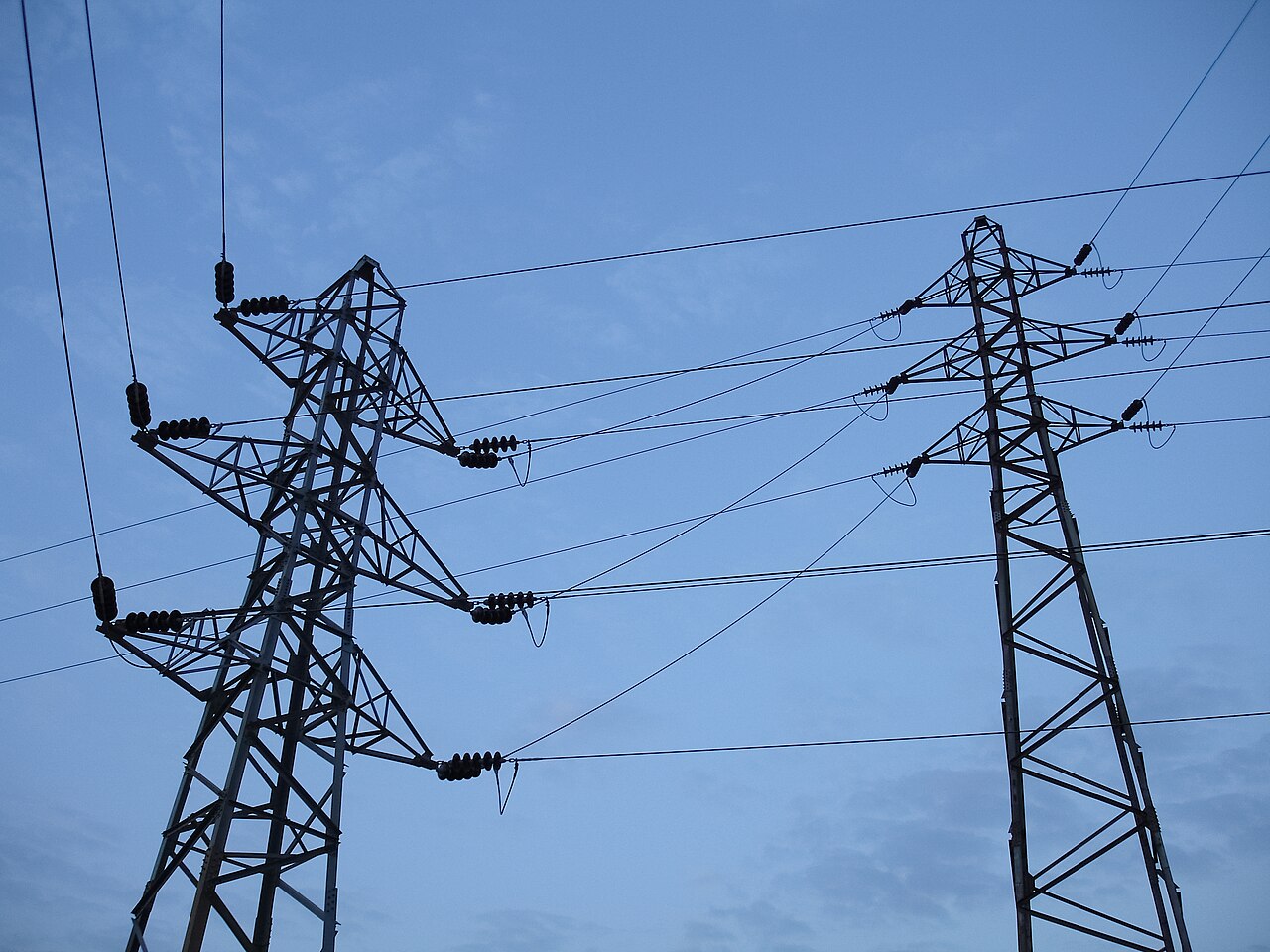
A proposed grid project may include new generation but no new transmission line. That distinction matters because electricity must move from where it is produced to where it is needed, often through a separate approval process.
The wider picture
Energy debates often collapse several physical systems into one word: the grid. Generation creates electricity; transmission moves it over long distances; distribution brings it into neighborhoods; storage and demand management can help balance timing. A proposal may improve one part while leaving another constrained. Reading it well means asking which bottleneck is addressed, who pays, and how progress will be measured.
A practical starting point
Distinguish generation, transmission, storage, and demand management when reading a proposal. Each solves a different part of the problem.
A short exercise
Choose one claim about the topic and trace it back to the earliest available document, recording, or direct statement. Write down what that source actually establishes, then compare two independent explanations of its significance. Mark any inference or uncertainty in a separate line. This short source trail makes it easier to see where a story is solid and where the interpretation still needs testing.
Questions worth asking
- What is the original source?
- Which part is confirmed, and which is interpretation?
- What remains uncertain?
Keep perspective
Local conditions matter. A solution that works in one region may not transfer directly to another.
Use these ideas as a starting point, then check the details that matter in your own situation. A useful decision is one you can explain and revisit as the facts change.